Resealing faded stamped concrete, acid- and water-based stains for patios and porches, and clear sealers for driveways, walks, and pool decks across College Station and Bryan.
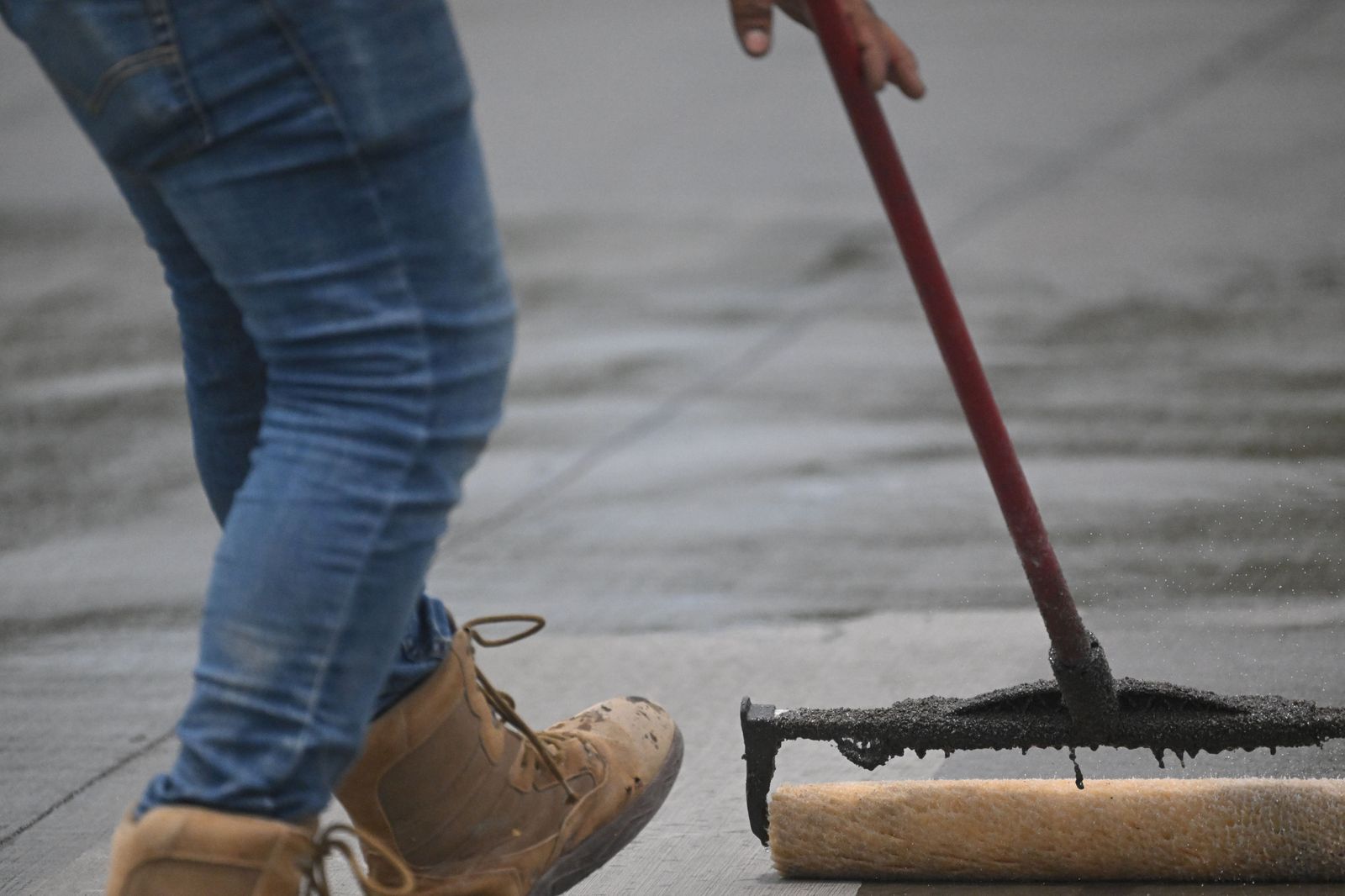
Sealer protects concrete from sun, water, and stains. Stain changes its color. Both only work if the surface is prepared properly first.
Cleaning, stripping failed sealer where needed, and resealing so the color comes back. It's the most common job on this page.
A chemical stain that reacts with the concrete for a mottled, variegated look, like weathered stone or leather. Every slab takes it a little differently.
More predictable color and a wider range of shades than acid stain, including grays and deeper tones. It also works on some concrete that acid stain won't react with.
Penetrating or film-forming sealers for driveways, walks, and plain patios that keep oil, water, and wear out without changing the look.
Most sealer problems come from the wrong product or a rushed application, not from the sealer itself.
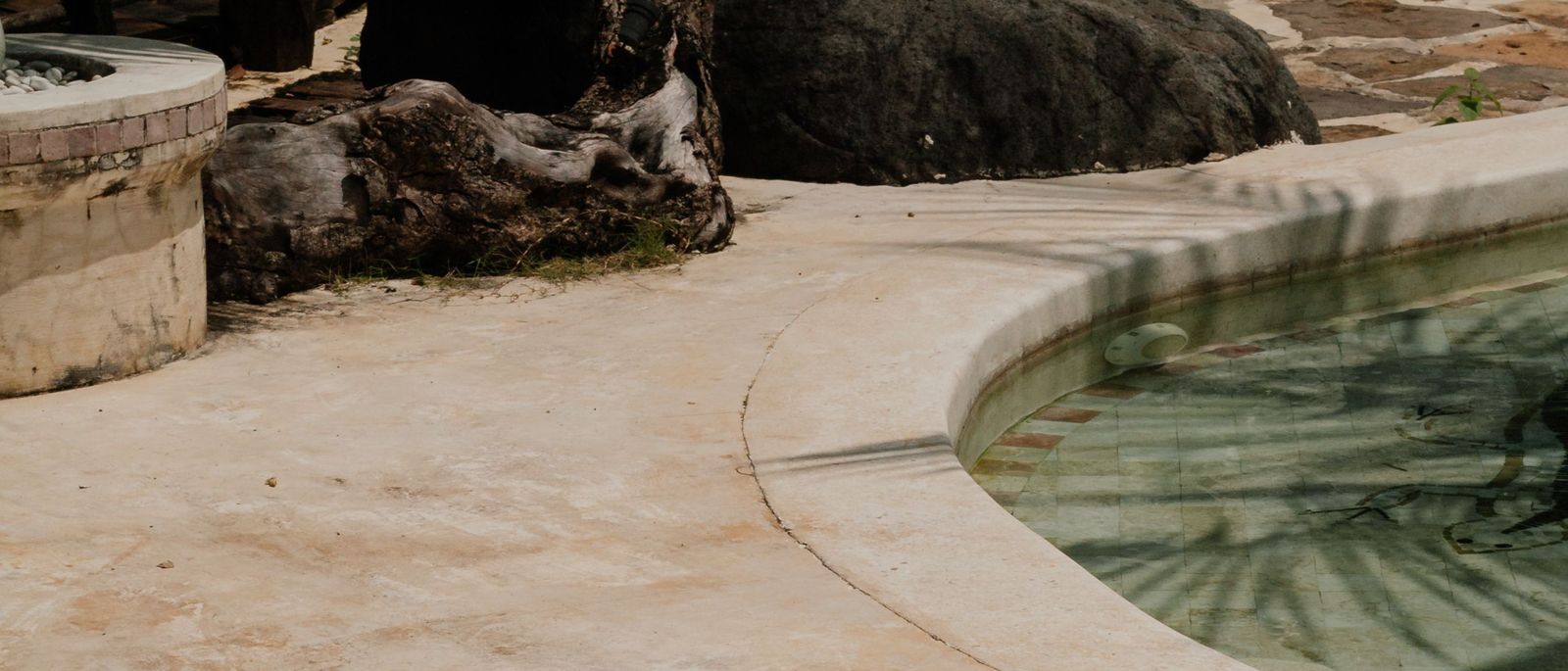
UV breaks sealer down, and a south-facing patio in College Station takes a lot of it. Resealing on schedule is cheaper than stripping a finish that has completely failed.
Sealer applied over damp concrete, or right after a storm, traps water and turns white. We check moisture before sealing and reschedule if the slab isn't ready.
More coats aren't better. Film-forming sealers built up too thick peel and cloud. Two thin coats beat one heavy one.
Stamped and colored work wants a sealer that enhances color. A broom-finished driveway usually wants a penetrating sealer that doesn't make it slick. Using one where you need the other causes problems.
A starting point. Sun exposure and traffic change the interval.
| Surface | Usual sealer | Reseal about every |
|---|---|---|
| Stamped or colored patio | Solvent-based acrylic, color-enhancing | 2 to 3 years |
| Pool deck | Acrylic with anti-slip additive | 2 to 3 years, sooner in full sun |
| Acid or water-stained patio | Acrylic sealer over the stain | 2 to 3 years |
| Broom-finish driveway or walk | Penetrating silane or siloxane | Several years, or when water stops beading |
We don't do epoxy coatings or polished concrete. That's a different trade, and we'll point you in the right direction if that's what you need.
If your stamped concrete is cracked through or has settled, resealing won't fix it. See stamped concrete for replacement, or patios and porches if you're weighing a stained finish against stamping.
Good background reading. The American Concrete Institute publishes guidance on concrete surfaces and repair, and the Portland Cement Association covers how concrete holds up to weather and wear.
Often, yes, if it is clean, sound, and has no old sealer or paint on it. Acid stain reacts with the concrete itself, so the result varies from slab to slab. We test a small area first so you can see what your concrete will actually do before we stain the whole thing.
White or cloudy sealer is usually moisture trapped under a solvent-based acrylic, either because it went on over damp concrete or because it was built up too thick. It can often be fixed by re-wetting the sealer with solvent so the moisture can escape, rather than stripping it all off.
Foot traffic in a few hours to a day, depending on the sealer and the weather. Cars and furniture take longer. We give you the timing for the product we use on your job.
It is not required. A penetrating sealer helps keep oil and water out and slows surface wear, and it does not change the look. It is worth considering on a new driveway and not worth much on an old one that is already stained.
No. Epoxy coatings and polished concrete are a different trade with different equipment. We stain and seal concrete, and we will tell you if what you want is really a coating.
College Station, Bryan, and the surrounding communities. See the service areas page for details.
Tell us the surface, roughly how big, and, if you know, when it was last sealed. Or call (979) 977-1480.
We answer estimate requests the same day during the week. Nothing gets shared with anyone else.
