New driveways, replacement of drives that have cracked or dropped, widening for a second car, and approaches to the street, built on a base that holds up on clay.
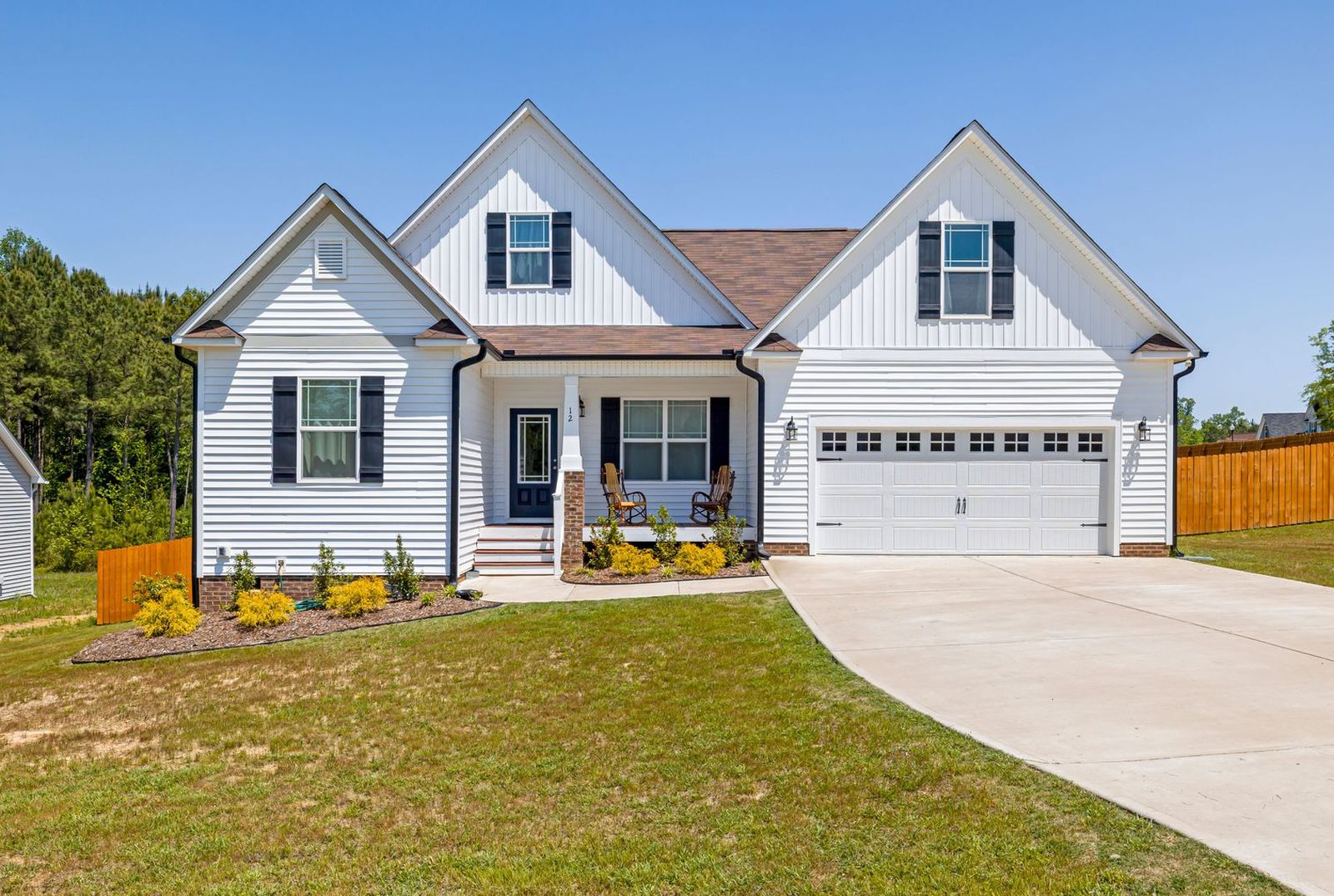
A driveway is usually the biggest piece of concrete on a property, and the one that takes the most abuse. On clay, the base decides how long it lasts.
From the street to the garage, sized for the vehicles that actually use it, including delivery trucks.
Tear out, haul off, fix the base that caused the failure, and pour back. Patching a failed drive usually buys two or three years.
A lane for a second car, a pad for a trailer or boat, or an extra spot for a rental with more drivers than garage space.
The section in the city right-of-way where your driveway meets the street, built to the city's requirements and permitted.
Four things, roughly in order of importance. A bid that doesn't mention the first two is leaving something out.
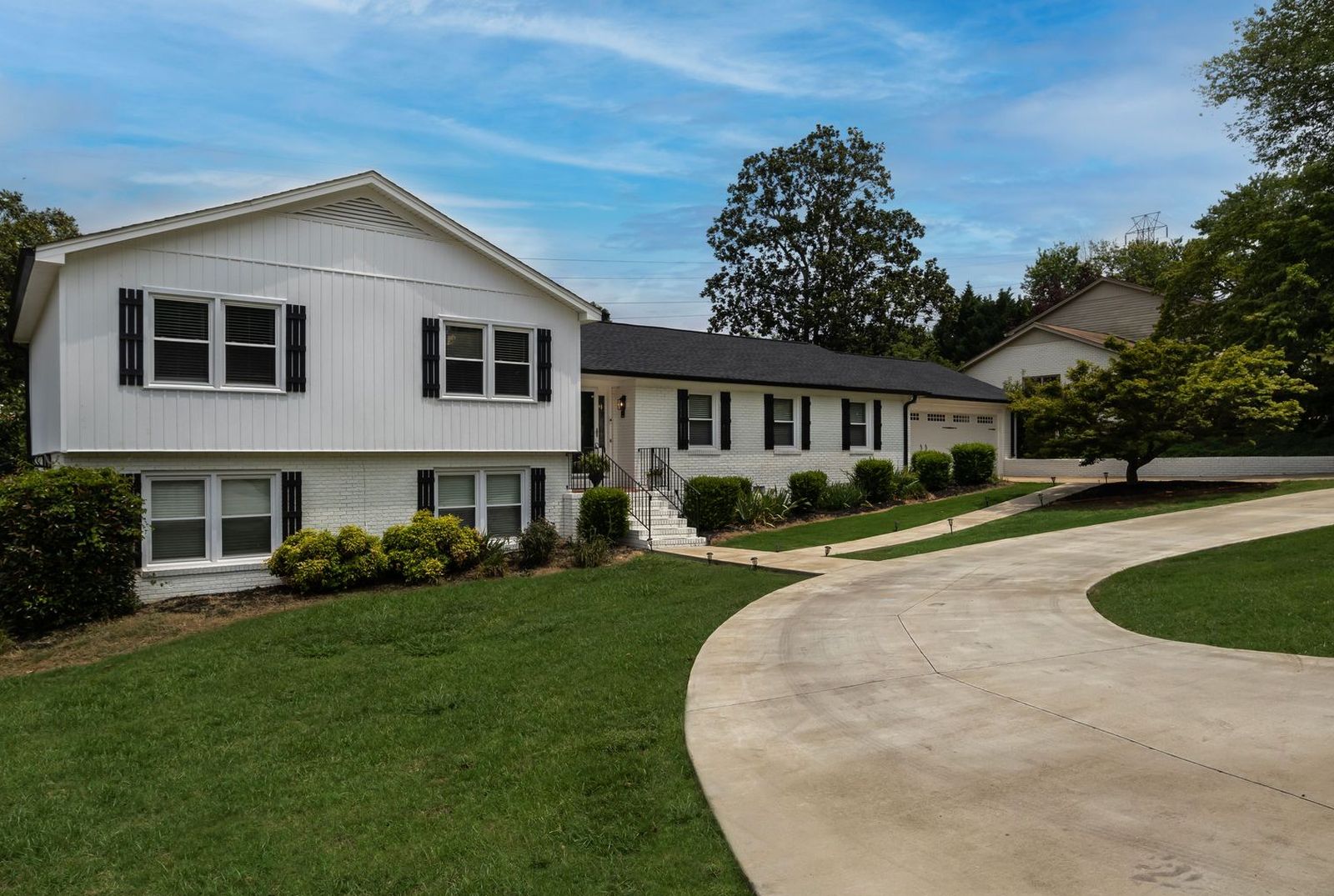
| Use | Thickness | Reinforcement |
|---|---|---|
| Cars and light trucks | 4 to 5 inches | #3 or #4 bar on 18-inch centers |
| Heavy pickups, trailers, boats | 5 to 6 inches | #4 bar on 12- to 18-inch centers |
| Approach in the right-of-way | Per city standard | Per City of College Station or Bryan |
Soft clay out, select fill in, compacted in lifts and checked. On highly expansive clay, lime stabilization or deeper fill may be worth it, and we'll say so at the estimate.
Driveways fail at the edges first, where a tire drops off and water undercuts. A thickened edge costs little at pour time and keeps the edge from breaking off later.
Control joints are cut within a day, and isolation joints are installed where the drive meets the garage slab and the approach, so each piece can move without cracking the others.
On a flat lot, a driveway has to be shaped to move water. Slope toward the street, never back toward the garage.
Hairline cracks in a flat driveway are normal and not worth spending money on. Concrete cracks, and joints are there to decide where. We'll tell you when the right answer is to leave it alone.
Where the slab has broken into pieces, dropped at a joint, or lifted over a root, replacement is the honest answer. If only one section has failed, that section can usually be cut out and replaced on its own. See sidewalks and repair for lifted panels and trip hazards.
Thirty years or more when the base under it is built properly. On clay, the driveways that fail early usually fail underneath: fill that wasn't compacted, no allowance for the soil moving, or water running along an edge.
Often, yes. If most of the slab is sound, the failed sections can be cut out and poured back to match the width and finish. If it has cracked and dropped across the whole drive, replacing sections just moves the problem.
Work in the city right-of-way, such as the approach where the driveway meets the street, generally needs a permit from the City of College Station or the City of Bryan. Some neighborhoods also have HOA rules. We confirm what applies to your address before we schedule the pour.
Sometimes. College Station has rules about how much of a front yard can be paved for parking, and they matter especially on rental properties near campus. We check what is allowed for your lot before quoting.
About seven days for cars. You can walk on it after a day or so, and heavier trucks should wait longer. We give you the timing for your pour rather than a rule of thumb.
College Station, Bryan, and the surrounding communities. See the service areas page.
Rough dimensions and what parks on it are enough to start. Or call (979) 977-1480.
We answer estimate requests the same day during the week. Nothing gets shared with anyone else.
