New patios, extensions to the slab the builder left you, porch and entry slabs, and pads for an outdoor kitchen or fire pit, across College Station and Bryan.
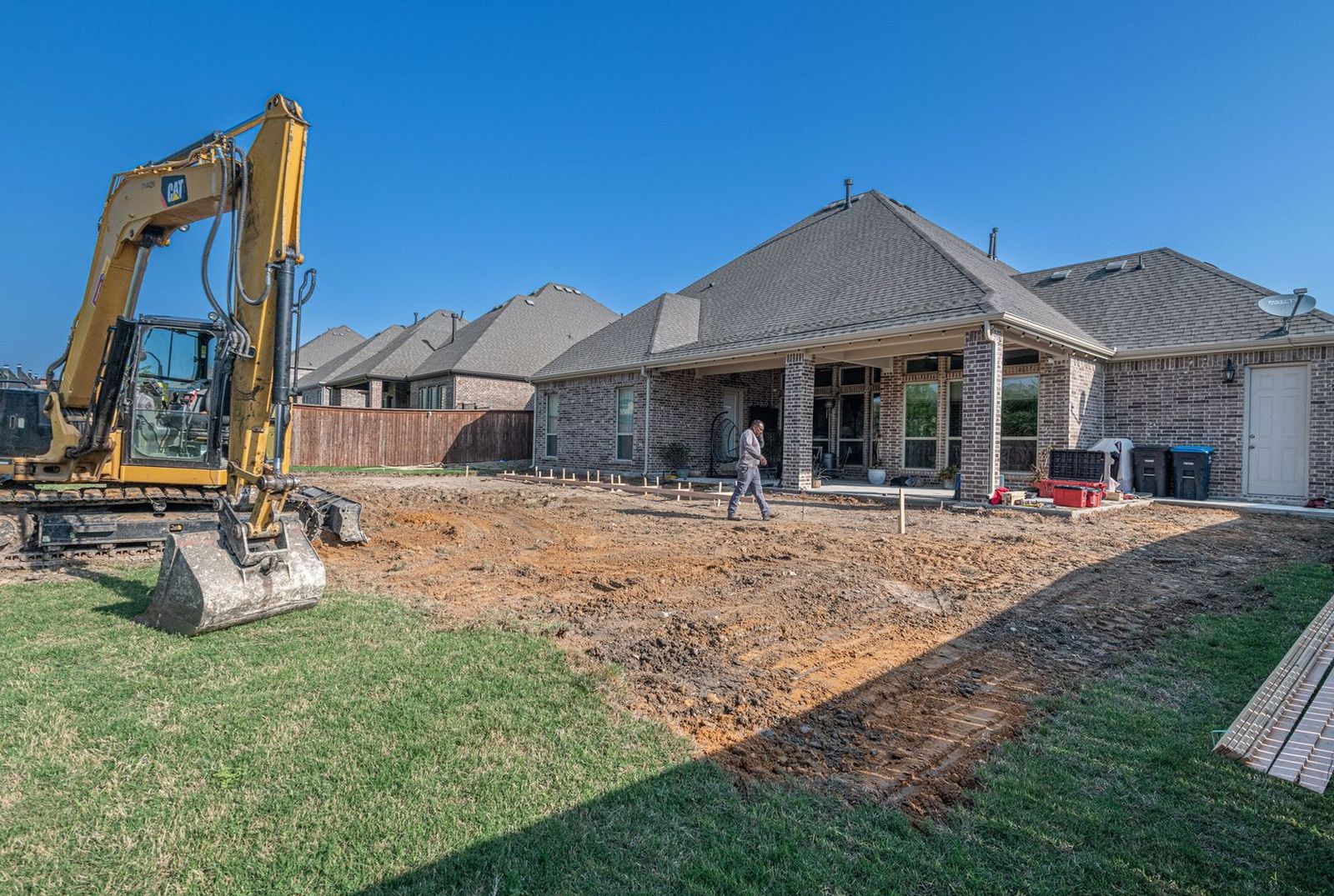
A patio is the slab people sit on every evening. It still has to be built like a slab. The difference is that a bad slope shows up as a puddle under the table.
New patios off the back of the house, or freestanding out in the yard where the shade is.
Builder patios in newer College Station subdivisions tend to be small. A table, a grill, and a few chairs don't fit, so we add on.
Front porches, side entries, landings, and the step down to the yard. Small pours, but the ones visitors stand on.
A level, reinforced pad for whatever will sit on it. It's best done before the outdoor kitchen goes in.
Nothing heavy drives on a patio, so it fails differently from a driveway. The problems are usually water, clay movement, and the joint where it meets the house.
Lots in College Station are flat, so fall has to be built in. A patio needs about a quarter inch per foot away from the foundation. Poured flat, it holds water against your house every time it storms.
Your house sits on an engineered foundation, and your patio doesn't. On clay, they move differently, so they need a joint between them. Poured tight against each other, the patio cracks along the house.
A patio on bare clay heaves in spring and drops in August. Removing the soft layer and bringing in compacted select fill are what keep a patio flat.
Ten by twelve looks fine on paper and feels tight once a table, six chairs, and a grill are on it. We mark the footprint on the ground so you can stand in it before we pour.
| Element | Typical | Notes |
|---|---|---|
| Thickness | 4 inches | 5 inches under a hot tub or masonry feature |
| Base | Compacted select fill | Depth depends on the clay at your site |
| Reinforcement | #3 bar on 18-inch centers | #4 bar under heavy features |
| Slope away from house | 1/4 inch per foot | Checked before the pour |
| Control joints | About every 8 to 10 feet | Cut within the first day |
| At the foundation | Isolation joint | Always |
A broom finish is the most affordable, grips well, and needs almost no upkeep. Stamped concrete gives you the look of stone or brick and needs resealing every few years. Staining changes the color without adding texture.
Plenty of patios combine them, like a stamped border around a broom-finished middle. We'll bring samples to the estimate.
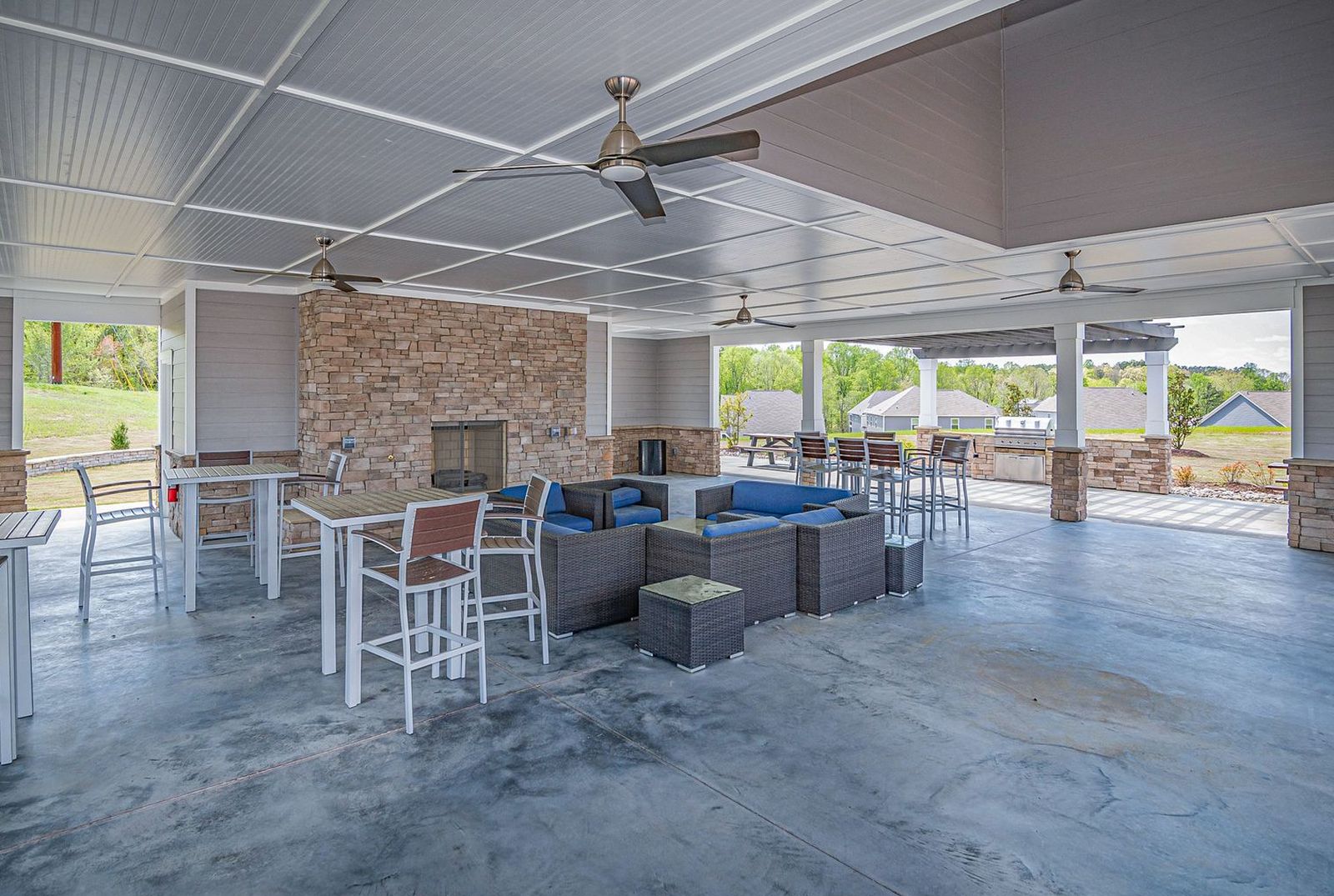
Size matters, but finish, base prep, and access matter just as much. A broom-finished patio costs the least, and stamped and colored work costs more. If a truck can't reach the backyard, pumping adds cost. We measure first and itemize the quote so you can see where the money goes.
A broom finish is cheaper, grips well, and needs almost no upkeep. Stamped concrete looks like stone or brick and needs resealing every few years. Plenty of people stamp a border and broom the middle to split the difference.
Yes. It is one of the most common jobs we do. The new slab gets doweled to the old one and matched for height, with a joint between them so the two can move separately on clay without cracking each other.
Many College Station and Bryan subdivisions have deed restrictions or architectural review, especially for anything visible from the street or close to a property line. Check with your HOA before the pour. We can provide a site sketch and specs for the submission.
It was poured too flat, or it has settled back toward the house. A patio should fall about a quarter inch per foot away from the foundation. If the slab is otherwise sound, sometimes the fix is a drain rather than a new patio.
College Station, Bryan, and the communities around them. See the service areas page.
Rough size and what you plan to put on it are enough to start. Or call (979) 977-1480.
We answer estimate requests the same day during the week. Nothing gets shared with anyone else.
